
West Nile Virus: Navigating Through the Challenges
Introduction
In the realm of infectious diseases, the West Nile virus stands as a formidable adversary, transmitted primarily through the unassuming mosquito. As we delve into the intricacies of this viral invader, it becomes evident that understanding its nuances is crucial for public health. This article aims to shed light on the West Nile virus, exploring its origins, impact, preventive measures, and global efforts to combat its spread.
What is West Nile Virus?
At its core, the West Nile virus is a mosquito-borne pathogen that can cause severe illness in humans. The virus is primarily transmitted through the bite of infected mosquitoes, with certain species acting as carriers.
History and Origin
The origins of the West Nile virus can be traced back, with historical outbreaks providing insight into its evolution. Understanding the historical context is crucial to grasp the implications of the virus on public health.
Mosquito as the Culprit
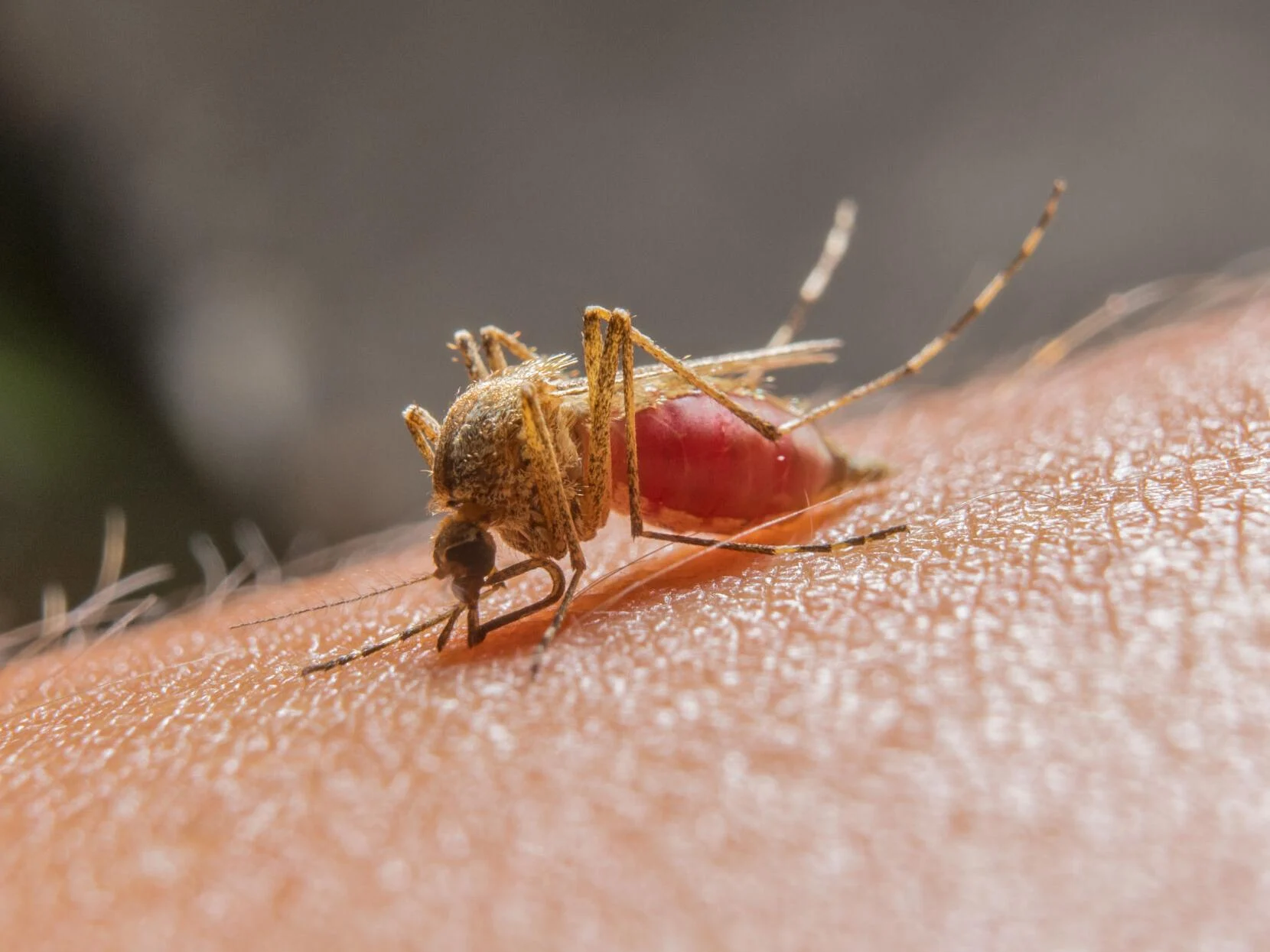
The mosquito, a common insect often dismissed as a mere nuisance, takes center stage in the transmission of the West Nile virus. Different mosquito species play a role in the complex cycle of the virus, making it essential to comprehend their involvement.
Credit – https://gazette.com/health
Geographical Spread and Epidemiology
The West Nile virus is not confined to a specific region, with its geographical spread showcasing its adaptability. Examining the epidemiological patterns helps in predicting and managing outbreaks.
Symptoms in Humans
Infected individuals often experience a range of symptoms, from mild to severe. Recognizing these symptoms is crucial for timely intervention and treatment.
Preventive Measures
Prevention becomes paramount in the face of the West Nile virus. Simple yet effective measures can significantly reduce the risk of infection, emphasizing the importance of public awareness.
Treatment Options
While specific antiviral treatments for the West Nile virus are limited, supportive care plays a crucial role in managing the symptoms and aiding recovery.
Impact on Public Health
The consequences of West Nile virus outbreaks extend beyond individual health, putting immense pressure on public health systems. Examining the impact helps in developing more robust response strategies.
Recent Outbreaks
Recent incidents of West Nile virus outbreaks highlight the ongoing challenges and the need for constant vigilance. Learning from past experiences is essential for improving future responses.
Global Efforts in Combating West Nile Virus
International collaboration is key in the fight against the West Nile virus. Global initiatives and research endeavors aim to develop effective strategies and potential vaccines.
Community Awareness and Education
Educating communities about the risks associated with the virus is a crucial aspect of control. Initiatives that raise awareness contribute significantly to preventive measures.
Environmental Factors and West Nile Virus
Environmental changes, including climate variations, play a role in the spread of the virus. Addressing these factors is essential for comprehensive control measures.
Future Outlook and Research
Ongoing research provides hope for better control and management of the West Nile virus. Exploring the prospects and challenges ahead offers insights into the future landscape.
Conclusion
In conclusion, the West Nile virus presents challenges that demand attention and concerted efforts. By understanding its complexities, implementing preventive measures, and fostering global collaboration, we can navigate through the hurdles posed by this mosquito-borne threat.
FAQs
- Is there a vaccine for the West Nile virus?
- Currently, there is no specific vaccine for the West Nile virus, but research is ongoing.
- How can individuals protect themselves from mosquito bites?
- Using insect repellent, wearing long sleeves and pants, and avoiding peak mosquito activity times can help prevent bites.
- What are the long-term effects of West Nile virus infection?
- Some individuals may experience lingering neurological effects, highlighting the importance of prompt medical attention.
- Are all mosquito species capable of transmitting the virus?
- No, specific mosquito species, such as Culex species, are primary carriers of the West Nile virus.
- What role does climate change play in the spread of the virus?
- Environmental changes and climate variations can influence the distribution and prevalence of the West Nile virus.

